
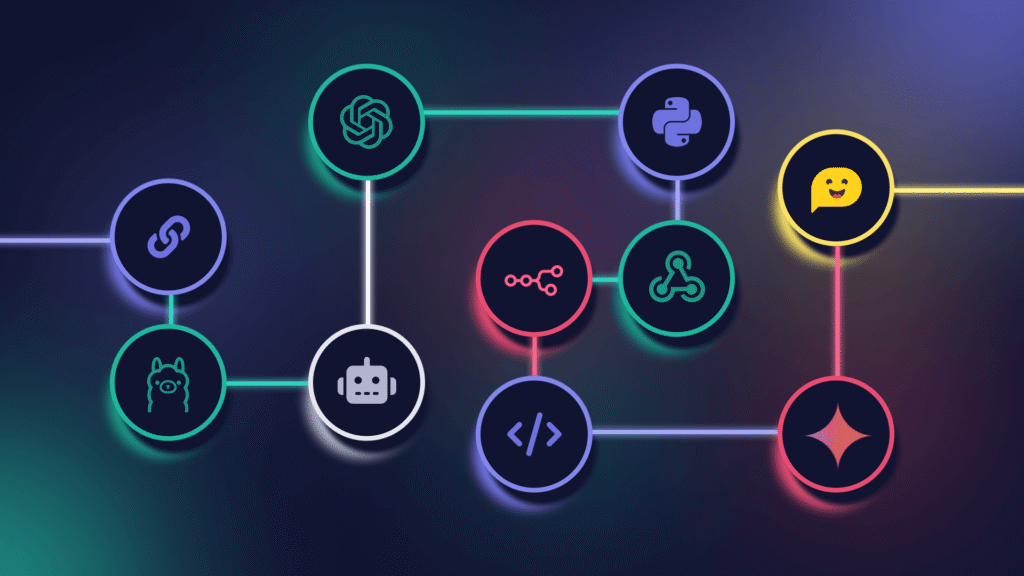
In today’s digital economy, AI automation: build LLM apps has become one of the most talked-about strategies for companies, developers, and entrepreneurs. Large Language Models (LLMs) like GPT-4 and open-source alternatives are enabling businesses to automate tasks, optimize workflows, and deliver smarter products. If you’re looking to harness this power, this guide will walk you through everything you need to know — from understanding LLMs to building practical AI-powered applications.
What Is AI Automation and Why Build LLM Apps?
AI automation refers to the integration of artificial intelligence into business or personal workflows to reduce manual effort and maximize efficiency. When we talk about AI automation: build LLM apps, we’re focusing on creating applications powered by advanced natural language models. These apps can handle customer support, generate content, analyze data, automate marketing, and much more.
LLM-powered apps bring human-like reasoning and contextual understanding into software systems. That’s why startups, agencies, and enterprises are racing to adopt them.
At Detail Growth, we specialize in helping businesses implement cutting-edge digital growth solutions, and LLM apps are at the core of this new wave of automation.
Key Benefits of AI Automation with LLMs
- Efficiency: Automate repetitive tasks like reporting, customer support, and email management.
- Scalability: Build once and let your LLM app handle thousands of queries simultaneously.
- Cost Savings: Reduce reliance on human resources for manual work.
- Innovation: Create smarter, context-aware apps that improve user experience.
- Data Insights: Analyze vast amounts of unstructured text for better decision-making.
Step-by-Step Guide: AI Automation – Build LLM Apps
1. Define Your Use Case
The first step in AI automation: build LLM apps is defining a clear use case. Do you want to automate customer service? Build an AI content assistant? Or perhaps create an internal knowledge bot for your team? A focused use case ensures success.
2. Choose the Right LLM
Depending on your goals, you might use OpenAI’s GPT models, Anthropic’s Claude, or open-source options like LLaMA or Falcon. The choice of model will affect cost, speed, and flexibility.
3. Select Automation Tools
Platforms like n8n and Automator AI simplify integration between LLMs and your workflows. Instead of coding everything from scratch, you can connect APIs, trigger automations, and build apps faster.
4. Build & Test Your LLM App
Start small — maybe with a chatbot or automated email responder. Test its accuracy, collect feedback, and refine the prompts. Gradually, you can scale into more complex applications like AI-driven CRMs or knowledge management systems.
5. Deploy & Scale
Once tested, deploy your app to the cloud or integrate it into your existing business systems. The beauty of AI automation: build LLM apps is that they can scale rapidly as your business grows.
Best Practices for Building Successful LLM Apps
- Use prompt engineering to guide responses and avoid inaccuracies.
- Regularly monitor output to improve model performance.
- Combine LLMs with structured databases for richer answers.
- Ensure compliance with data privacy regulations like GDPR.
- Provide human fallback options for sensitive applications.
Real-World Examples of AI Automation with LLM Apps
Many businesses already benefit from AI automation: build LLM apps. For example:
- Customer Support: Automated chatbots resolving 80% of inquiries without human intervention.
- Marketing: AI-driven tools generating blog posts, ad copies, and social media content.
- Sales: Intelligent lead scoring and automated follow-ups with tools like LeadTool AI.
- Productivity: AI assistants scheduling meetings, summarizing emails, and organizing documents.
Conclusion: The Future of AI Automation
The trend of AI automation: build LLM apps is only accelerating. Businesses that adopt these technologies early gain a competitive edge in efficiency, scalability, and innovation. Whether you’re an entrepreneur, a coach, or an enterprise, now is the time to invest in AI-powered applications.